A bored cat rarely needs a mountain of random toys. It needs the right kind of invitation. Indoor cats still carry the instincts of hunters: watching, stalking, chasing, pouncing, grabbing, biting, and resting after the effort. The best cat toys for bored cats respect that sequence instead of expecting a sleepy animal to care about whatever plush object landed on the floor.
That is why one cat can ignore a pricey toy and then lose its tiny mind over a crinkly bag, a feather wand, or a rolling ball. The toy itself matters, but the match matters more. Movement, texture, sound, challenge, safety, and timing all decide whether the toy becomes part of the day or another sad object under the sofa.
The goal is not constant stimulation. Cats need sleep and quiet. The useful goal is a small play system: a few toys that trigger different instincts, a rotation that keeps them fresh, and a routine that lets your cat finish the hunt. If you are browsing the pet supplies collection, use the guide below to choose toys that solve a real boredom problem instead of adding more clutter.
Start with the boredom pattern you are seeing
"Bored" can mean several things. One cat may sleep through the day and sprint around at midnight. Another may scratch furniture, pester people during work, knock small objects off counters, or stare at a toy and walk away. Before choosing a toy, watch what the cat is already trying to do.
If the cat ambushes ankles, chases shadows, or watches birds intensely, it may need prey-style movement: feathers, flapping toys, wands, or balls that dart away. If the cat tears into boxes, chews soft objects, or wrestles with blankets, it may want a kicker, plush toy, or tunnel. If it begs for food early, eats too fast, or gets restless around meals, puzzle feeders and treat games may help turn feeding into work.
The Cornell Feline Health Center explains that toys can encourage exercise and cognitive enrichment by motivating cats to stalk, pounce, and problem-solve; it also notes that lack of stimulation can contribute to issues such as obesity and unwanted behavior. That does not mean a toy fixes every problem. It does mean toy choice should connect to the behavior you are trying to redirect, not just the color that looks cute online.
Choose movement before novelty
Movement is usually the fastest way to wake up a cat's attention. A toy that rolls, flutters, bounces, or hides behind a corner gives the cat something to track. A toy that sits still may work for chewing or comfort, but it has to work much harder to start a play session.
Think in prey patterns. Flying prey moves up, away, and across the cat's sightline. Crawling prey disappears under furniture, blankets, and doorways. Darting prey pauses, changes direction, then escapes. A toy that repeats the same motion forever can become background noise. A toy that changes speed or vanishes briefly is often more interesting.
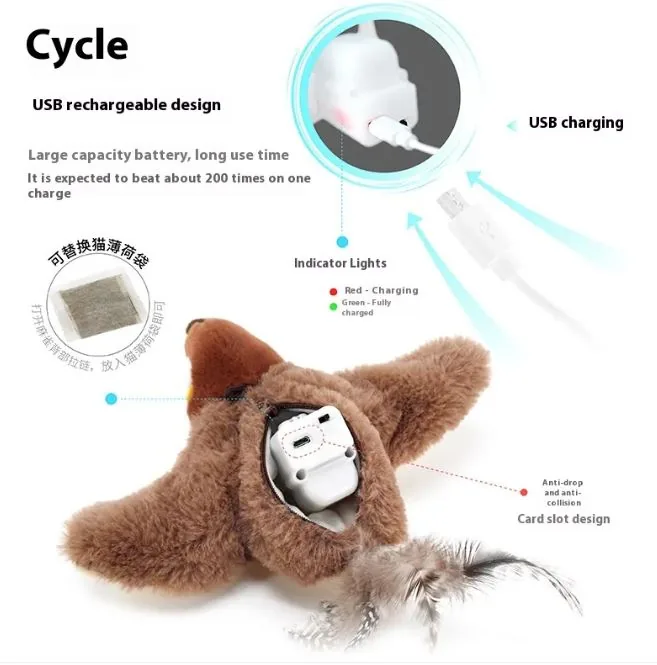
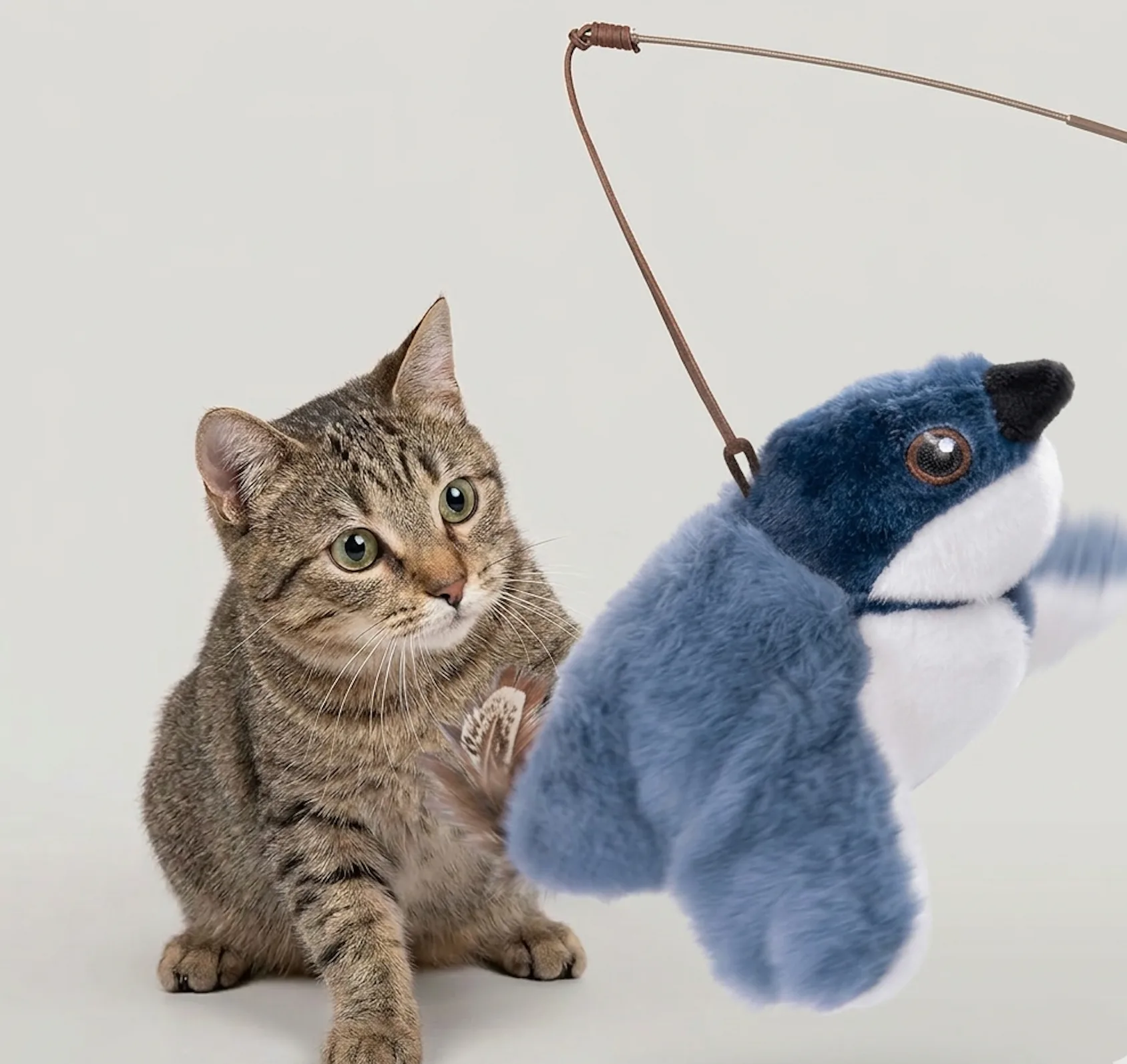
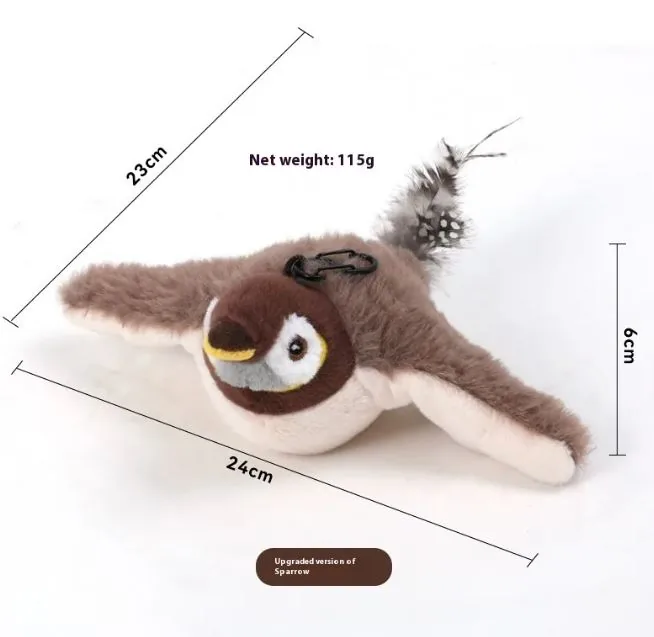
The Flapping Bird Cat Toy fits the flying-prey pattern because it uses soft wing movement rather than sitting still. That kind of toy is useful for cats that watch birds, leap at wands, or need a play object that feels more alive than a plain plush. It is still worth supervising early sessions so you can see whether your cat bats, bites, carries, or ignores it.
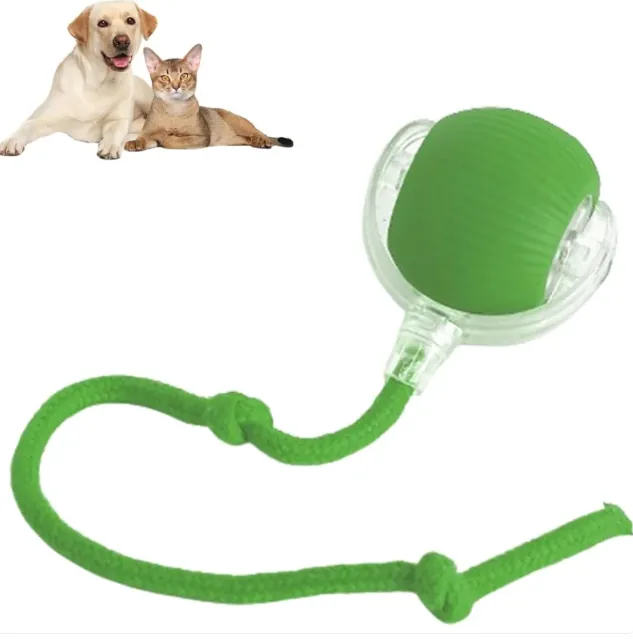
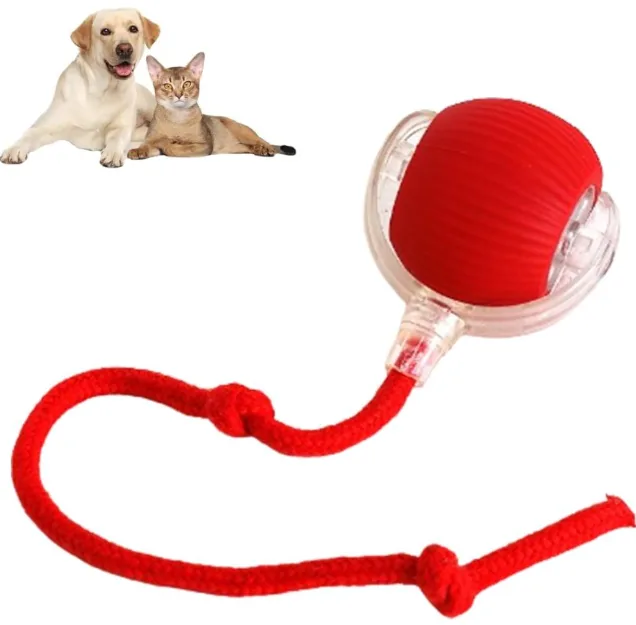
Rolling toys serve a different job. A ball that moves unpredictably can suit cats that like floor chases, hallway sprints, and short bursts. The Smart Rolling Pet Ball is the kind of item to consider when your cat is drawn to movement across the floor. Use it in open spaces first, away from stairs, food bowls, and fragile objects, because the point is chase, not chaos.
Build a small toy mix, not a toy pile
A better toy setup usually has five jobs covered: chase, pounce, wrestle, solve, and rest. You do not need ten versions of each. In fact, too many toys left out at once can make the whole area feel stale. Cats often care more when one or two toys appear at the right moment.
A chase toy gets the cat moving. A pounce toy gives a target to grab. A wrestling toy lets the cat bite and kick without using your hands. A puzzle or treat toy asks for thinking. A rest zone gives the cat a secure place to settle after play. That last part matters because good enrichment has an ending. A cat that never catches anything can become frustrated, and a cat that has nowhere comfortable to recover may simply avoid the routine.
Research on indoor cat enrichment published through the National Institutes of Health lists examples such as wand toys, battery-operated self-propelling toys, balls in a box or bathtub, and catnip-filled toys. The useful takeaway is variety by function. Mix motion, scent, texture, and problem-solving instead of buying several toys that all ask the cat to do the same thing.
Match the toy to age, energy, and confidence
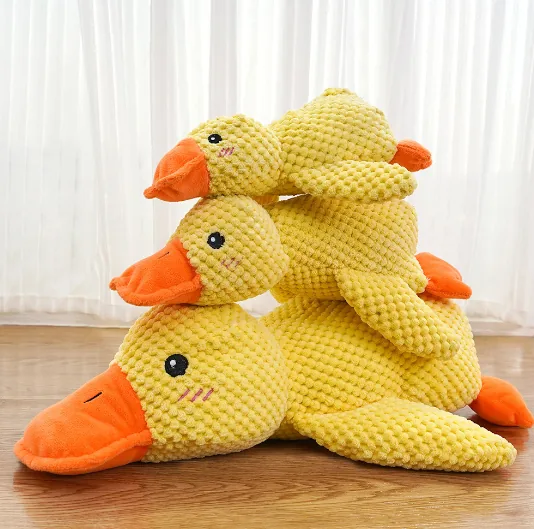
Kittens often want fast, frequent play, but they also need safe toy sizes and gentle boundaries. Adult cats may enjoy short, intense sessions. Senior cats may prefer slower movement, soft textures, and lower-impact games. Shy cats may need the toy to move away from them, not toward them. Bold cats may need more challenge before they stay interested.
Confidence matters. A timid cat may not leap into the middle of a room for a toy while people watch. Try dragging a wand along the edge of a sofa, rolling a ball down a hallway, or hiding a toy halfway under tissue paper so the cat can stalk from cover. For nervous cats, the first win is curiosity, not athletic greatness.
Energy also changes by time of day. Many cats are more alert early in the morning and later in the evening. If your cat ignores toys at noon, test the same toy before breakfast or before bedtime. A toy can look like a dud when the timing is wrong.
Use rotation to make old toys feel new
Toy rotation is one of the cheapest boredom fixes. Leave out a few items, put the rest away, then swap them every few days. When a toy disappears for a while, it often returns with more value. This is especially useful for plush toys, balls, and novelty textures that lose their appeal when they sit in the same corner for weeks.
Best Friends describes indoor cat enrichment as creating opportunities for cats to express natural instincts and behaviors. Rotation supports that idea because it changes the opportunity without requiring constant buying. You can also rotate locations. A ball in the hallway, a toy in a box, and a plush tucked near a cat tree are three different experiences, even if the toy itself is familiar.
Keep one important rule: do not rotate safety checks out of your routine. Look for loose seams, detached feathers, cracked plastic, exposed charging ports, chewed strings, or pieces small enough to swallow. If a toy is starting to fail, retire it. No toy is interesting enough to justify a vet visit.
Make play satisfying, not just busy
A common mistake is moving a toy so wildly that the cat never catches it. That may look exciting to the person holding the wand, but it can be annoying for the cat. A good play session has tension and release: the toy escapes, pauses, gets caught, and sometimes "loses." Let the cat grab the toy. Let it bite and kick. Then start again.
Short sessions work. Five to ten focused minutes can be more useful than leaving a toy out all day. End with a small catch or meal when possible, especially in the evening. That pattern lines up with the hunt, eat, groom, sleep rhythm many cats naturally understand.
If you use automatic toys, treat them as helpers, not replacements. They are good for adding movement when you are busy, but they do not replace interactive play with you. Watch the first few sessions. Some cats get thrilled. Some get suspicious. Some need you nearby before they decide the object is worth their time.
Do not ignore comfort and recovery
Play and rest belong together. After chasing, pouncing, and wrestling, cats need a place where they can feel tucked in and unbothered. For some cats that is a box. For others it is a soft bed, a window perch, a quiet chair, or a blanket with their scent on it.
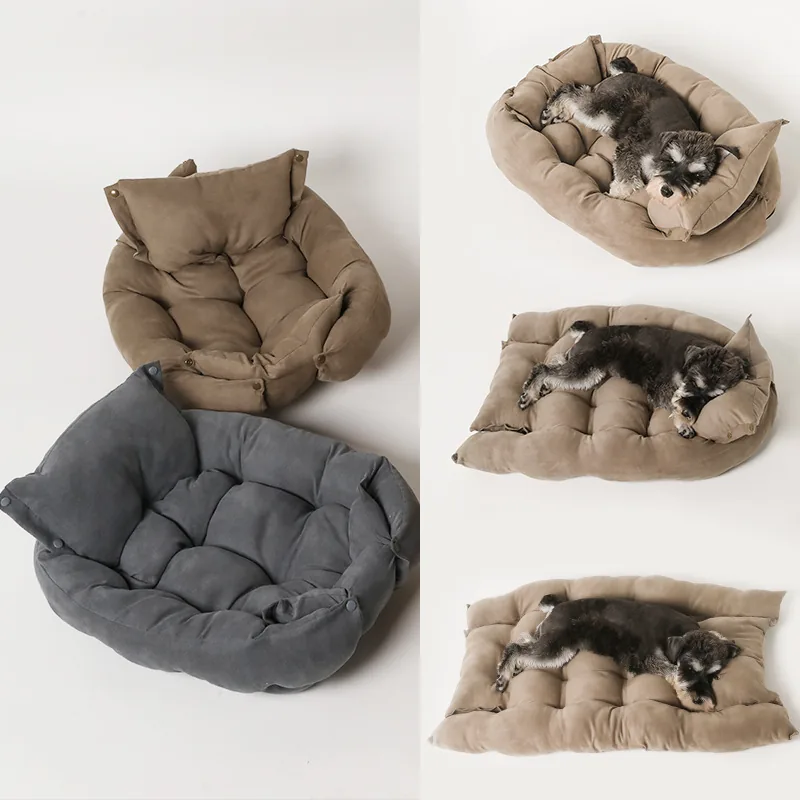
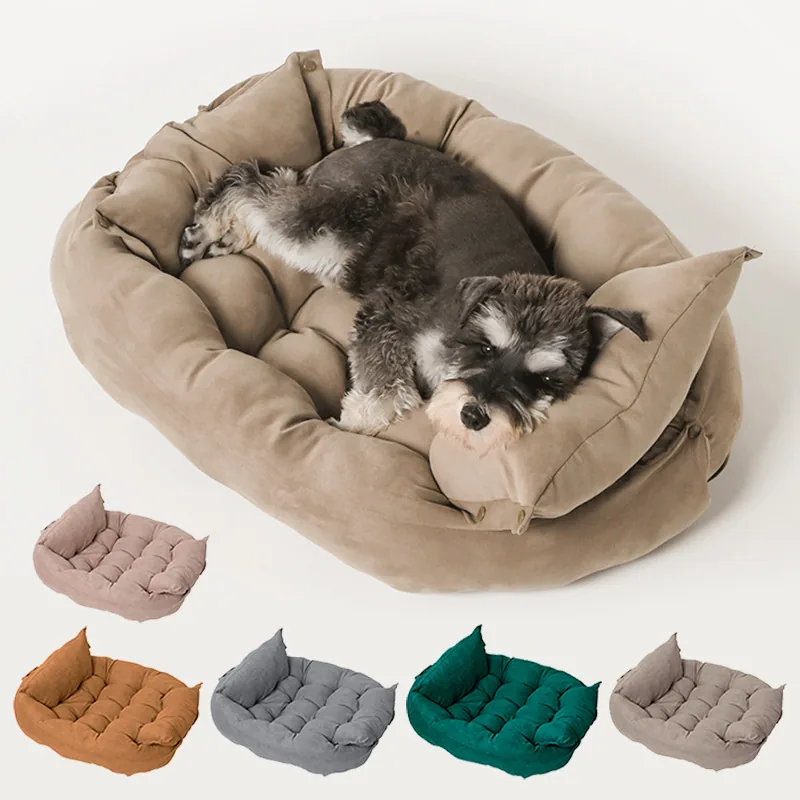
Comfort items are not toys, but they support a better play routine. A cat that has safe resting spots is more likely to move confidently through the home. The Folding Nest Sofa Bed is relevant here because it gives cats and small pets a defined place to settle. Pairing movement toys with a predictable rest zone makes the whole setup feel less random.
A simple buying checklist
Before you buy another toy, run through this quick checklist. First, name the behavior you want to encourage: chase, pounce, wrestle, solve, scratch, or settle. Second, choose the movement type: flying, crawling, rolling, bouncing, hiding, or still-and-chewable. Third, check whether the toy suits your cat's size, age, bite strength, and confidence.
Fourth, inspect the safety details. Avoid long loose strings when unsupervised. Check batteries and charging areas. Look for pieces that could come off. Fifth, decide where the toy will live. Some toys need open floor space. Some work better in a hallway. Some belong in a supervised play drawer rather than on the floor all day.
The Animal Humane Society recommends enrichment ideas such as puzzle feeders, interactive toys, window views, and safe hiding places. That broader view is useful when shopping because the right answer may be a toy, but it may also be a better play location or a calmer place to retreat. If your cat has a big burst of energy and then vanishes under the bed, solve for both sides of the routine.
Sixth, plan the first session. Introduce the toy when your cat is awake and curious, not when it is deeply asleep. Move the toy like prey, let the cat catch it, then put it away before the cat gets bored. That sounds fussy, but it is the difference between buying an object and building a habit.
How A NEW FIND can help
A NEW FIND is useful when you want a quick way to compare practical pet items without digging through a chaotic marketplace. Start with the Pet Supplies collection for cat beds, comfort items, grooming helpers, and playful picks, then use product pages to compare photos, prices, options, and the secure store path for checkout.
For bored cats, begin with one movement toy and one comfort item rather than trying to solve everything at once. A flapping toy can support active play. A rolling ball can support chase. A soft rest spot can help the cat settle after the burst of energy. Small, sensible changes usually beat a giant basket of ignored toys.
Frequently asked questions
What toys are best for bored indoor cats?
The best toys for bored indoor cats usually create movement, challenge, or a small hunt. Wand toys, flapping toys, rolling balls, puzzle feeders, tunnels, scratchers, and soft kicker toys all work because they give the cat something active to stalk, chase, bat, catch, or solve.
How often should I rotate cat toys?
A simple rotation every few days is enough for many homes. Keep a few toys available, store the rest away, then bring back an older toy after a short break. The toy feels newer without buying something every time your cat loses interest.
Are automatic cat toys safe to leave on all day?
Use automatic cat toys with the same judgement you would use for any powered pet item. Check the size, moving parts, charging cable, seams, and battery housing before unsupervised use. If your cat chews hard, pulls pieces apart, or gets overstimulated, save that toy for supervised play.
Why does my cat ignore new toys?
Cats are selective hunters, not broken customers. A cat may ignore a toy because the movement is wrong, the texture feels odd, the toy smells unfamiliar, or the play session ends before the cat gets a satisfying catch. Try changing speed, location, time of day, and toy type before writing it off.